
Autoimmune Diseases and Leaky Gut.
People suffering from autoimmune conditions, often also have Irritable Bowel Syndrome, (IBS) like symptoms, and even if they don’t experience them, there is likely to be a leaky gut involved, and possibly small intestinal bacteria overgrowth, parasites or Candida overgrowth caused by a lack of friendly bacteria/ probiotics, often resulting from antibiotic use.
All autoimmune conditions begin in the gut. In order to address any autoimmune condition, we need to begin by healing the leaky gut and resolving the associated symptoms (bloating, gas, alternating stools etc.), which will eventually help to manage the autoimmune conditions, and potentially to reverse them.
An autoimmune disease occurs when the body starts attacking its own cells. This happens when the body confuses its own proteins for a foreign invader, such as a bacteria. Unfortunately, instead of destroying the suspected bacteria, in this state of confusion, the body causes widespread destruction of its own cells and organs instead.
Autoimmune conditions include a whole host of diseases, that can effect multiple systems in the body, such as rheumatoid arthritis, fibromyalgia, type 1 diabetes, inflammatory bowel disease, psoriasis, thyroid conditions, such as Hashimotos, graves diseases, hypothyroid etc, coeliac, chron’s, lupus, Multiple Sclerosis, ulcerative colitis, and many more.
For autoimmune conditions to take hold, there needs to be a leaky gut, and usually some element of genetics involved plus a trigger, which may be a fast passed draining lifestyle, contracting a virus or infection, such as glandular fever, root canals, antibiotics or vaccinations, such as for an international flight, and possibly picking up an infection or parasite whilst abroad. Any emotional triggers such as bereavement, divorce, shock/trauma etc can also trigger a physical response.
There are many other triggers that can cause the body to attack its own cells. There is often a huge environmental toxic load, including industrial chemicals, heavy metals, such as mercury amalgam fillings, electromagnetic stress, autogens, as well as hidden infections and allergens. Inflammation is also a huge component of a leaky gut.
The condition can develop from stress, as adrenal glands secrete cortisol when under stress, which impairs the gut linings ability to heal. This may be mental, emotional, environmental, physical and/or dietary stress.

Whatever it may be, it is usually a combination of one or more of these factors, that set off a full blown autoimmune disease. However, it is likely that the leaky gut, and related symptoms, will have developed over sometime, possibly even since childhood.
Often it is when the system is already weakened over time that a traumatic event, either emotional, physiological or even dietary (such as food poisoning or parasites), will act as the straw that broke the camels back, and will prove too much for the body to cope with.
This high level of stress on the body can sometimes cause it to “shut down” in order to heal, presenting symptoms and conditions such as chronic fatigue, ME, fibromyalgia, or when doctors don’t know what label to put on it, it may even be diagnosed as depression.
Quite often there will be an element of depression involved in autoimmune conditions or a leaky gut, but there are other ways to address this issue, rather than just using anti-depressant dugs (although they have their place). The gut is the gateway to health, it is also known as the 2nd brain and 90% of serotonin (the happy hormone) production is formed there.
So not only will a leaky gut cause gas, bloating, cramps, and IBS symptoms, it can also effect mental health, including depression, anxiety, nervousness, insomnia, fatigue, headaches, allergies, concentration, memory, mood and motivation etc.
Healing the gut will also have a big impact on weight loss, insulin resistance, cravings, mood swings, sinus problems, allergic rhinitis, water retention, bloating, puffy skin, eczema, dry skin and so on.
In order to heal a leaky gut, we need to make certain dietary changes. In particular, foods high in lectins assault the gut lining, making it more permeable. when this happens, food particles can travel through the gut lining and into the blood stream, the body then doesn’t recognise it as food, but as a foreign invader and will attack it.
Lectins are carbohydrate binding proteins, found in plants, they are natures pesticides and are not broken down by the stomach. They can permeate the gut lining and attach to parts of the body, causing the immune system to also attack its own cells, leading to multiple food intolerances and eventually autoimmune diseases. This is why it is extremely important to soak nuts, seeds, grains and beans before consuming them, to remove these harmful lectins.
The main offender in gut permeability is GLUTEN, found in wheat, spelt, barley, oats, rye etc. In particular, wheat is a huge part of the modern western diet, found in bread, pasta, cakes, pastries, cereals, most convenience and package foods. As it is usually included daily in a typical diet, from a young age, possible even at every meal, this constant onslaught will eventually wear down the villi on the gut wall and eventually break the tight junctions of the gut, allowing food to pass through into the blood stream.
All lectins will do this, but gluten is particularly problematic, it is now so far removed from its original form through processing, that the body doesn’t recognise it as food, and it is even harder to digest.
Gluten is the sticky protein in flour that creates the elastic texture in dough and binds bread together. It is actually more like a glue, (the name gluten, is actually Latin for ‘glue’) which clogs the bowels and forms a whole host of health conditions.
There are also certain foods which become cross-reactive with gluten and can trigger the same inflammatory cascade, it is important to cut these out while healing the gut, and even to avoid handling gluten, and making sure there is no cross contamination, as this may be enough to trigger a sensitive, overwhelmed system. This is especially important in Coeliac disease, but if there is an intolerance to gluten (which there most always is at this stage), the smallest amount will trigger an inflammatory cascade in the body.
We need to completely remove the sources of inflammation in order to heal the body. It can also be beneficial to increase dietary sources, as well as supplementation of Omega 3 essential fatty acids, which are anti-inflammatory.
Flax seed oil, hemp oil and chia seeds are good sources as well as cold water fish such as salmon, trout, mackerel and sardines, and cod liver /krill oil, algae oil, and marine phytoplankton. It is also important to ensure fish is wild and not high in mercury content as this will exacerbate problems. It is generally best to avoid larger fish at the top of the food chain, such as tuna and swordfish, as these contain higher levels of mercury.
Curcumin found in turmeric and vitamin E are also anti-inflammatory, and Lglutamine, slippery elm, DGL (De-glycerised liquorice), and glycine (the component found in bone broth) can all help to heal a leaky gut.
The basic outline for an Autoimmune diet is to avoid lectins from gluten and grains, beans, legumes, dairy, sugar, nuts and seeds, (as these also contain enzyme inhibitors, which will continue to damage the gut lining) nightshades, eggs, alcohol and coffee. Or a variation of this diet depending on your specific requirements. To find out more about nutrition consultations and food intolerance testing click here.
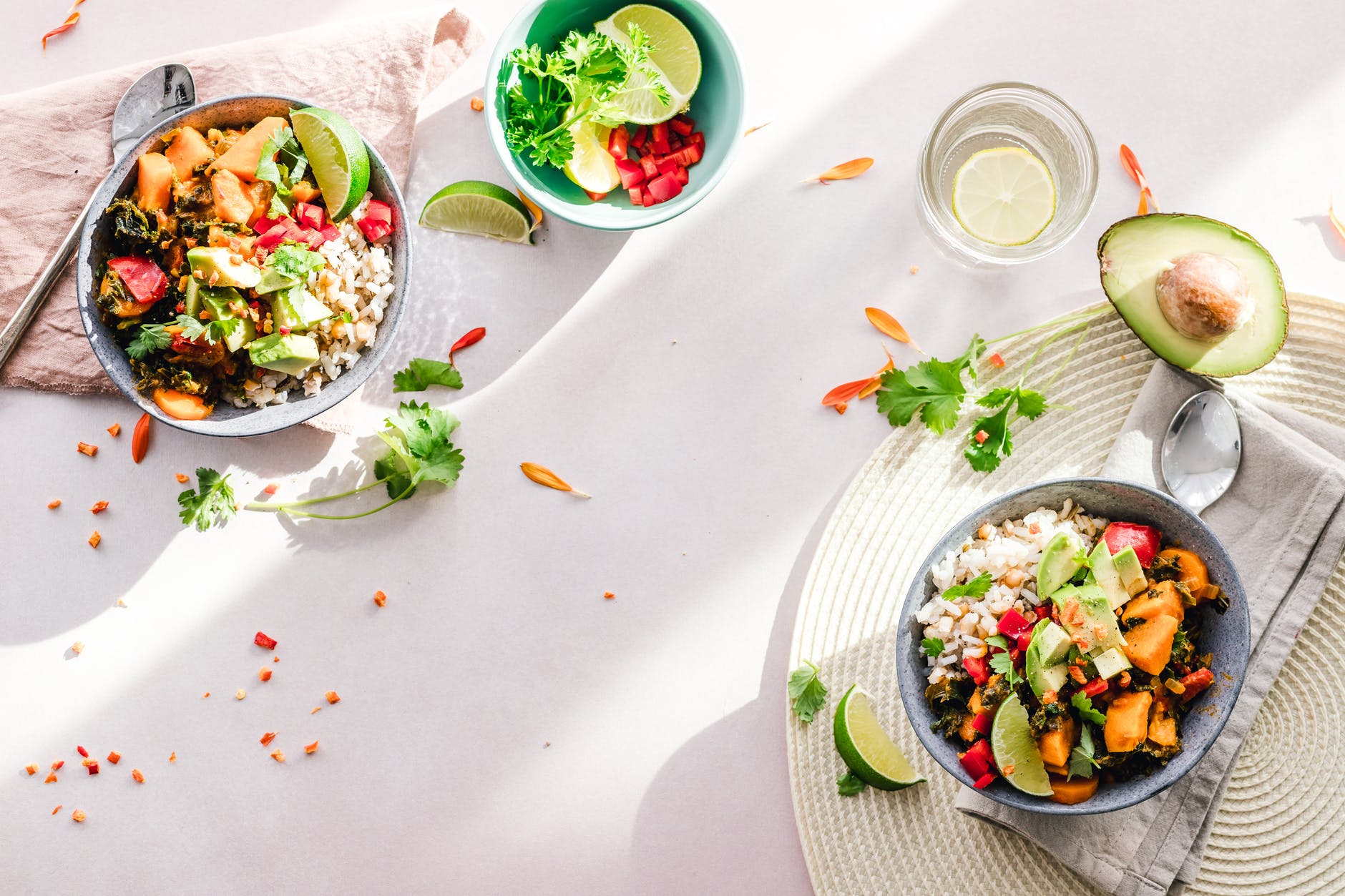
We need to give the gut a complete break from foods that are attacking it, in order to heal it, aiming for a complete elimination diet, followed by a gradual re-introduction phase of certain foods over time. It is also important to address the body, mind and emotional stresses, such environmental changes, sleep, exercise and other lifestyle changes. Its not just about diet, but about achieving overall balance.
As mentioned Candida overgrowth and parasites can contribute to a leaky gut too. Candida Albicans is a yeast, that exists naturally in the gut, and can actually be useful to us in small colonies, along with parasites as they eat up bad bacteria in the gut.
However, it is when they start to over-populate and outnumber the good bacteria, that we begin to encounter problems. Candida feeds on sugar, foods high in starch, carbohydrate and processed foods such as white flour, bread, pastries , potatoes and cakes. It is also exacerbated by yeast and mould in the diet, so things like bread, yeast extract, marmite, mushrooms, mouldy cheese and peanuts also need to be avoided.
The human body actually consists of more bacteria than it does human cells. It is therefore vitality important to make sure we have a greater proportion of the good bacteria than the bad. We develop our allocation of friendly bacteria, our microbiome, from our mother. If we had a natural birth, we would have been exposed to this microbiome from travelling through the birth canal.
However, in cases of caesarian section, this step would have been forgone, unless a swab of the mothers bacteria was introduced to the new born, and so, our development of a healthy microbiome, is impeded.
Another factor that can inhibit friendly organisms in the gut are antibiotics, which are often given to us as children and throughout our lives. They can be essential at times to destroy infections, and even save lives, but the problem with antibiotics is that they don’t just kill the bad bacteria, they also kill the good. Just one course of antibiotics can wipe out a healthy microbiome. It is essential to follow antibiotics with a course of strong probiotics, to repopulate the gut. Some medications and contraceptive pills as well as amalgam fillings can also increase Candida overgrowth.
If there is a lack of hydrochloric acid in the stomach the body isn’t able to kill off parasites and unfriendly bacteria that enter through the digestion, from foods, pets, people and so on. Parasites and Candida also tend to live in tandem with each other, the Candida often growing on the parasites, as well as forming biofilms, which act as a defence shield, making it even harder to control.
Once a Candida overgrowth becomes systemic, it actually grows roots, which can penetrate the gut lining, causing permeability, and allow it to reach into any part of the body, even the brain. This can cause symptoms such as brain fog, exhaustion and depression, as well as the typical digestive symptoms such as bloating, gas, stomach cramps and a general feeling of being unwell. Candida can also affect the genitalia in women and throat, and is known as thrush, or a yeast infection.
Another condition which is sometimes confused with Candida overgrowth or even just diagnosed as Irritable Bowel Syndrome (IBS) is Small intestinal bacteria overgrowth, or SIBO for short.
SIBO occurs when bacteria from the large bowel finds its way into the small intestine, usually due to a malfunctioning Illeoceacal valve, or ICV for short. Click the image to read more about the WholeBeing Health digestive system balance.

The Ileocecal valve opens to allow food matter from the small intestine, into the large intestine to be excreted from the body. It then closes to stop waste matter from the large intestine re-entering the small intestine which is vital in order to stop fermenting gut, gas, bloating, bacterial overgrowth & toxin absorption.
This valve often stops working properly due to modern day diet & lifestyle, which causes a whole host of digestive issues, which just won’t shift until this important system is up and running again. Stress is a major component in affecting the efficiency of this valve, and with today’s fast paced modern lifestyle, a malfunctioning Ileocecal valve is an extremely common condition.
A malfunctioning ICV can also be instigated by a bout of food poisoning, a stomach bug or travellers diarrhoea. This can be a common cause of post infectious IBS, where the affected person often finds their digestion just doesn’t feel the same since getting sick. The bacteria starts to colonise in the small intestine where it doesn’t belong. This creates a vicious cycle, which cannot be broken until the bacteria from the small intestine is removed and the Ileocecal valve is functioning properly.
This vicious cycle can and does continue for years with the sufferer unaware that they have a malfunctioning ICV, usually diagnosed with IBS. This syndrome continues to allow toxins back into the small intestine, the liver and eventually into the blood stream, causing auto-intoxification, which can create a whole host of unpleasant symptoms. As well as the typical symptoms of IBS, such as bloating, gas, abdominal pain, constipation and diarrhoea.
Other symptoms of a malfunctioning ICV include;
Aches and pains, acne, adrenal issues, allergies/ food intolerances, bad breathe, body odour, blurred vision, burping, Candida, carpal tunnel syndrome, catarrh, chest pains, chronic fatigue, colds, colitis, dehydration, depression, dizziness, diverticulitis, fatigue and general lethargy (feeling sluggish), fluid retention, frozen shoulder, headaches, hip pain, hypochlorhydria, knee pain, M.E, migraines, nausea, nervous debility, odema, shoulder pain, skin problems, stiff neck, low back ache, thrush, tinnitus, water retention and more.
Whether the person is suffering from Candida overgrowth, parasite infection, SIBO, ICV malfunction, leaky gut or an autoimmune disease, the most important thing to bring back health, vitality and balance to the whole system is to heal the gut first.
It can be very useful to determine which problem needs treating however, as there are many different approaches and herbal formulas depending on which imbalance is most prevalent. We do this as standard practice during a kinesiology treatment, using muscle testing; the body’s biofeedback mechanism.
There are different methods of determining which condition needs treating in the gut, for example you can get blood tests to check for leaky gut and autoimmune igG responses or coeliac disease, stool samples can determine if there are any parasite infections or other pathogens present. A breathe test can be done to determine if SIBO is the problem. Hair mineral analysis to show if there is Candida overgrowth.
A simple at home test for Candida is to look at your tongue, if it is white and furry, there is typically a yeast overgrowth. Also you can spit into a glass of water, first thing in the morning, if the saliva falls to the bottom of the glass or floats on the top with strings falling down like legs, or if the water turns cloudy, this may suggest a candida overgrowth. If there is no Candida problem, the saliva should simply float on the top.
All of these issues can be tested with kinesiology muscle testing, as well as checking for the best supplements or herbal treatment for the condition, and testing for any particular foods that are aggrevating the gut further.
For treating a Candida overgrowth, herbs such as oregano, cinnamon, allicin (found in garlic), grapefruit seed extract, horopito, artemesia and many others can be helpful. For parasites a herbal protocol of green-black walnut hull, cloves and wormwood is very effective (as outlined by Dr Hulda Clark) along side a sugar free diet. For SIBO berberine, allicin, oregano and neem are the typical herbal formulas, and a naturopathic doctor may prescribe rifaximin, neomycin or metronidazole drugs which are also very effective.
Certain carbohydrates need to be removed when treating SIBO, such as starches and grains which feed the bacteria and some FODMAPs (Fermentable Oligosaccharides, Disaccharides, Monosaccharides and Polyols) which make symptoms of gas and bloating much worse. These may include brasica’s (broccoli, cabbage, cauliflower, sprouts), beans, legumes, certain fruits such as apples, pears, prunes, as well as onions, garlic, lactose (found in dairy products) and more.
SIBO treatment is often followed by a pro-kinectic to encourage the migrating motor complex (MMC) in the small intestine. The MMC is also known as the cleansing wave, and it occurs naturally during periods of fasting (such as overnight).
This wave flushes out the toxins and bad bacteria from the small intestine and is essential for removing the bacterial overgrowth. Natural pro-kinectics include ginger, Swedish bitters and herbal formulas such as Iberogast, typically containing iberis amara, angelica, chamomile, caraway, milk thistle, melissa, peppermint, celandine and licorice. Pharmaceutical prokinetics include low dose erythromycin, prucalopride or naltrexone. Intermittent fasting can also help increase this action.
Once the particular problem is determined and treated, the gut wall then needs to be healed.
In functional medicine, this is done in a particular order, known as the 5 R protocol; Remove (pathogens, Candida, parasites etc.), Replace (digestive enzymes), Repair (the gut lining/ leaky gut), Reinoculate (with friendly bacteria/ probiotics), and Reintroduce (bring certain foods back into the diet). This process allows for the complete restoration of the Gastro Intestinal (GI) tract.
Conclusion:
It is clear that obtaining gut health takes a multifaceted approach as there are many factors involved which can effect the healthy function of the GI system. With regards to Autoimmune conditions, there is a direct link to the gut and in particular the permeability of the gut lining. A leaky gut may be responsible for the body attacking its own cells and causing autoimmune conditions.
We are able to treat and potentially even reverse these conditions if we go back to the root cause. Stress, trauma and conditions such as food poisoning, parasites, Candida overgrowth, ICV malfunction, Coeliac diease or gluten intolerance, hypochlorhydria and SIBO can all lead to a leaky gut, which in turn can result in Autoimmune conditions.
By following a 5R protocol and utilising different herbs, enzymes, probiotics and dietary strategies, as well as removing psychological and physiological stress, improving sleep and making other lifestyle changes, it is possible to heal the gut lining and reverse Autoimmune conditions.
Therefore, it is safe to say that the old adage is true;
The gut really is the gateway to health.
If you want to find out more about addressing gut health, autoimmune diseases, or to book an appointment, please contact me for more information.
 Therapies • Health • Wellness